

Trusted by over 7000 providers

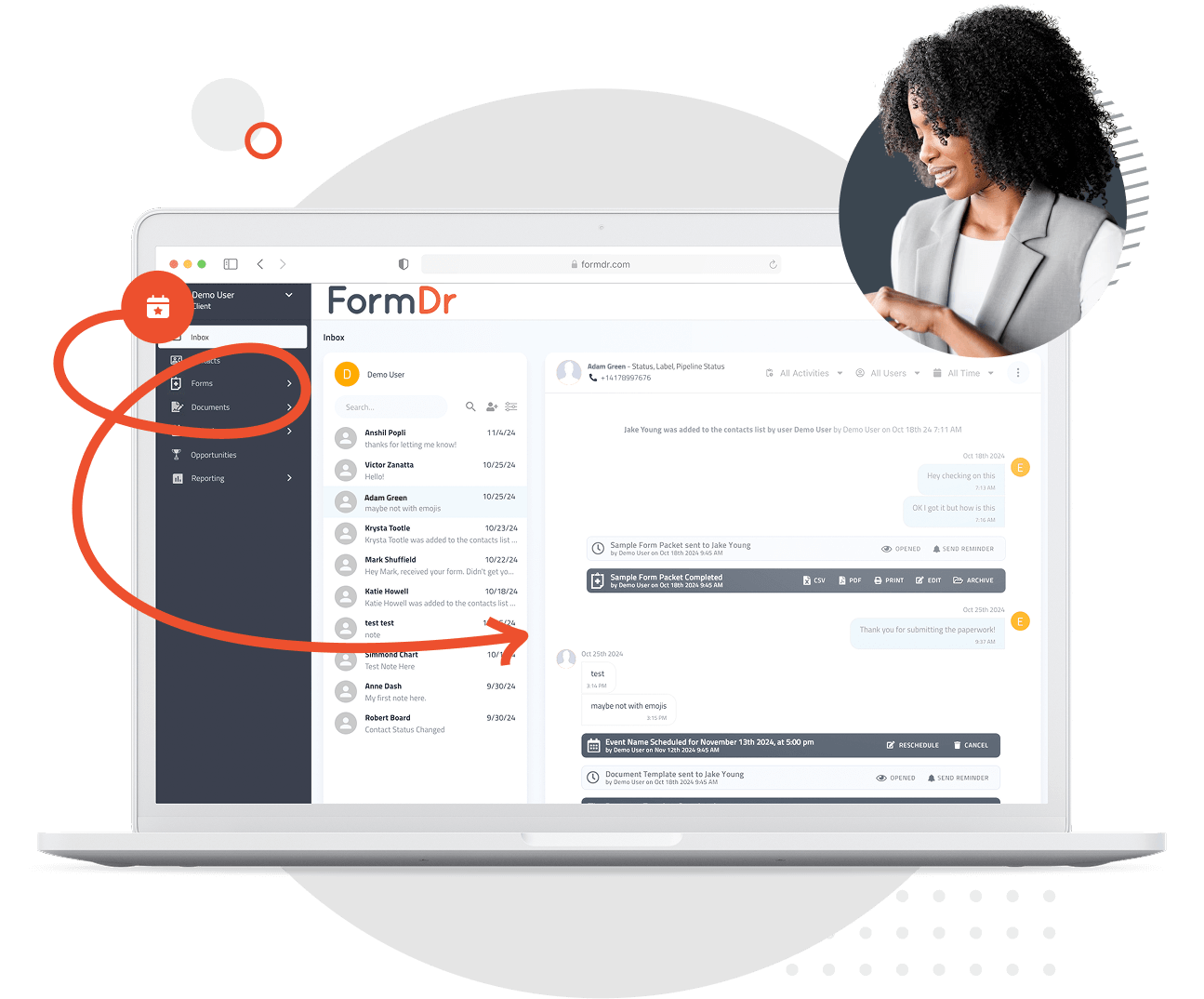
Patient engagement unified into a single platform
FormDr gives your business everything needed to easily connect with and engage your patients.
Collect HIPAA compliant forms and electronically signed consents from patients
Connect with patients, maintain an open line of communication with two-way texting
Schedule appointments, enable your patients to schedule, cancel, and reschedule online, automate appointment reminders
Identify patient care opportunities and track their progress through customized healthcare pipelines
Generate custom patient reports, apply bulk actions, and message patients based on reporting insights
Build custom workflows tailored to your business processes and streamline operations
Sync communications, form submission data, appointments and more back to your EHR
Book a Free Demo
FormDoctor gives your practice one HIPAA-compliant platform to collect forms, communicate with patients, and automate follow-up. We help practices who:
- Are still using paper forms, PDFs, or Word documents
- Spend too much time printing, scanning, emailing, and calling patients
- Need an easier way to send reminders and automate follow-ups
- Want to streamline forms, communication, and paper workflows
Online Patient Intake with Electronic Signatures
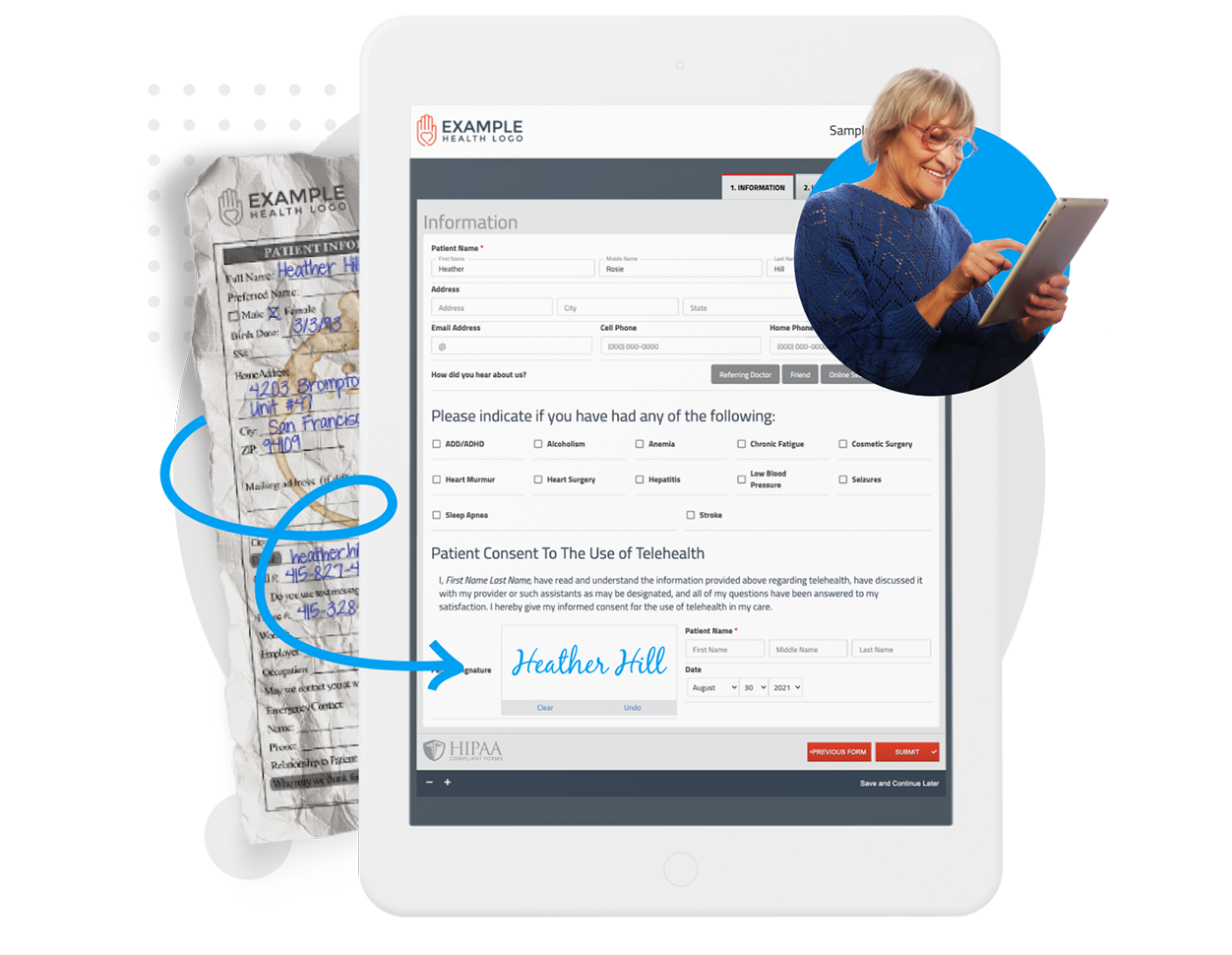
FormDr gives your business everything needed to easily send and receive HIPAA compliant forms online. Send patients your forms to fill out on their phone, tablet, or computer. Patients easily sign and submit completed forms securely online. Track your patients’ progress, send automated reminders and receive completed forms online, before the appointment.
Two-Way Texting with Patients
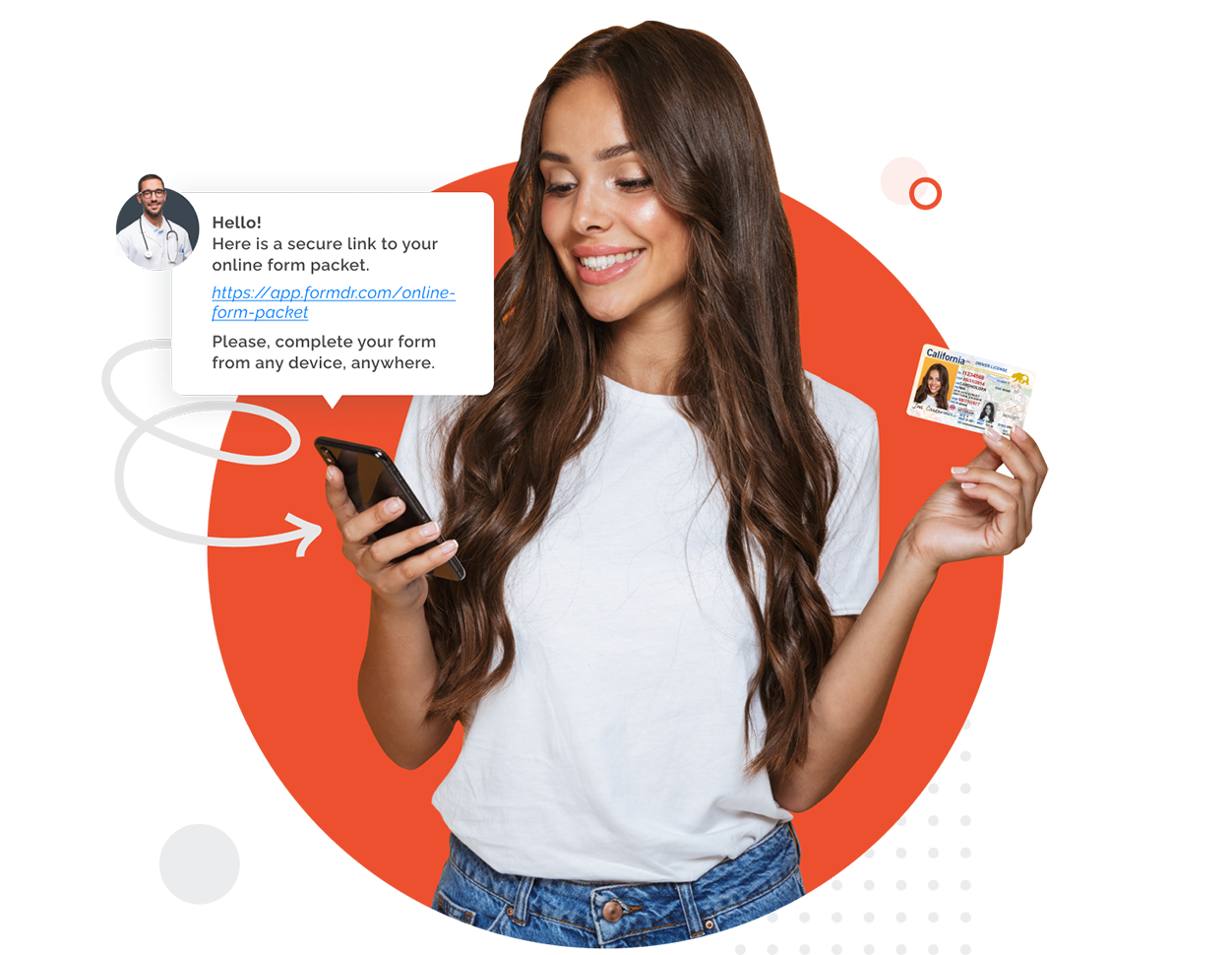
Keep your patients engaged and informed with two-way texting. Reach all of your patients quickly with Mass Messaging. Send promotions, updates, and appointment reminders in just a few clicks. Improve response times, and ensure every patient gets the attention they need—without overwhelming your front desk.
Online Scheduling with Automated Appointment Reminders
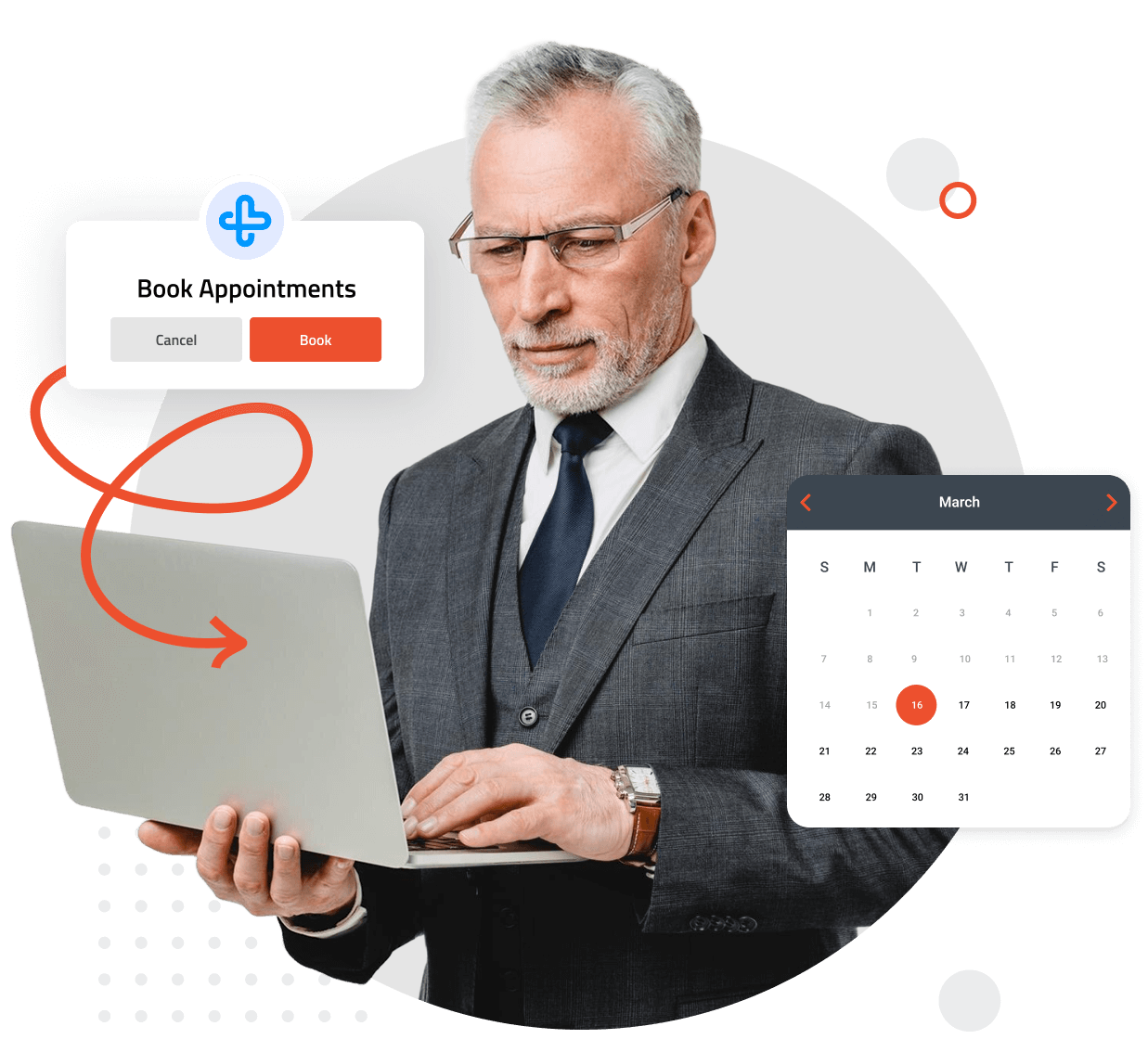
Give your patients the convenience they expect with online patient scheduling. No more phone tag or long hold times—patients can book appointments anytime, anywhere, from their computer or mobile device. With an intuitive interface and real-time availability, scheduling a visit has never been easier. Automatically send confirmation texts and reminders to ensure patients show up on time. With built-in rescheduling options, they can easily adjust their appointments without calling your office.
Book a Free Demo
FormDoctor gives your practice one HIPAA-compliant platform to collect forms, communicate with patients, and automate follow-up. We help practices who:
- Are still using paper forms, PDFs, or Word documents
- Spend too much time printing, scanning, emailing, and calling patients
- Need an easier way to send reminders and automate follow-ups
- Want to streamline forms, communication, and paper workflows
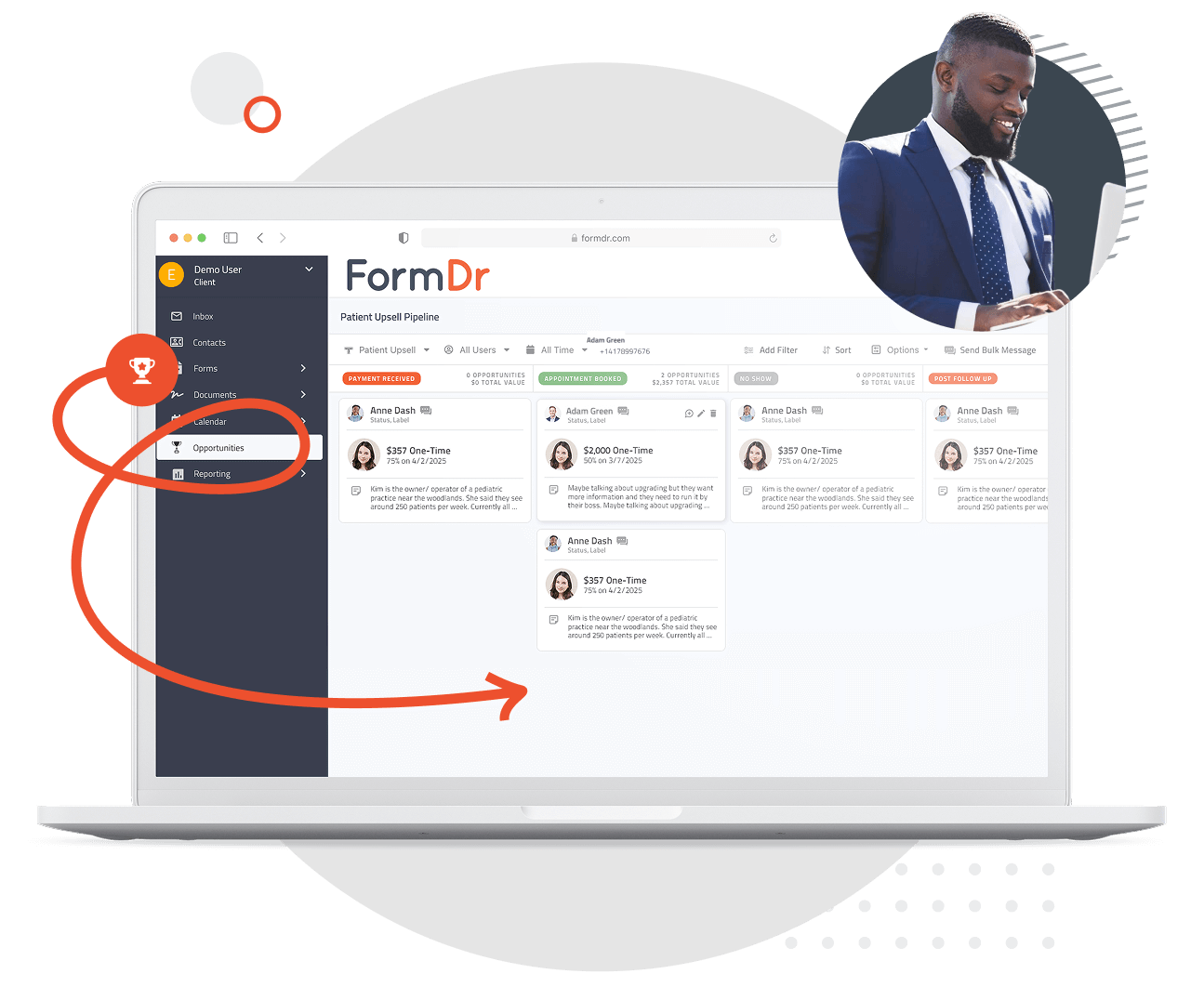
Patient Relationship Management and Opportunity Pipelines
FormDr’s CRM for healthcare empowers providers with a centralized system to store, track, and manage patient interactions effortlessly. Make informed decisions with a CRM designed for healthcare professionals. Boost practice growth with Opportunity Care Pipelines, tracking patient leads, follow-ups, and patient care conversions in one streamlined system. Stay organized and maximize revenue by managing every opportunity from first contact to scheduled appointment.
Build Custom Reports and Identify Actionable Patient Insights
Easily generate reports to compile and review submitted data in real time. Quickly filter responses to identify specific patient needs—such as those expressing post-visit concerns, or requiring follow-ups. Once filtered, seamlessly send personalized mass messages to patients based on their responses, whether it’s a request for additional care, interest in a new service, or proactive post care instructions.

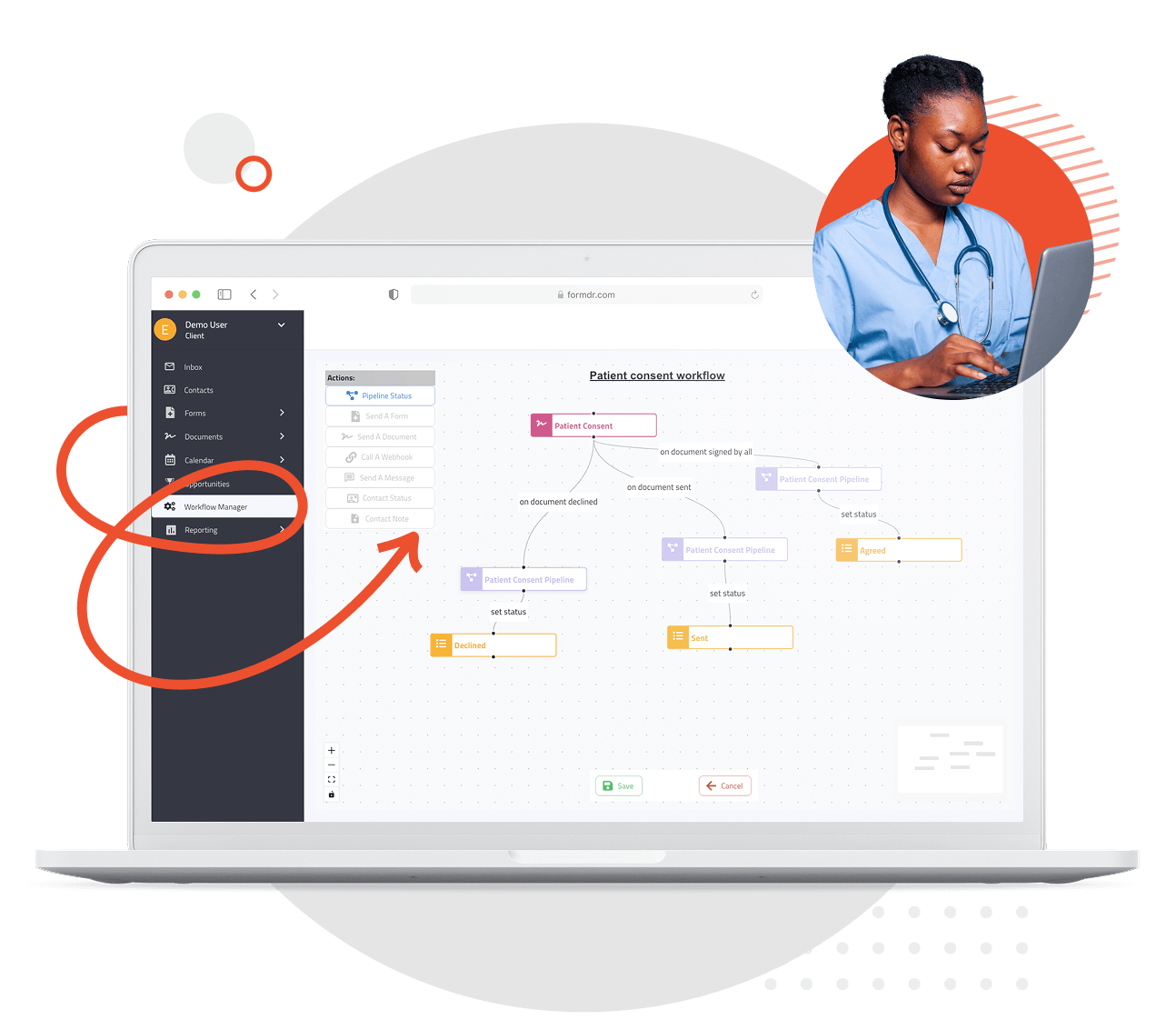
Create Streamlined Workflows and Automate Your Business
Create custom automation in minutes—no coding or technical expertise needed. Simply drag triggers and actions into place to design seamless workflows that fit your practice’s needs. From patient onboarding to appointment reminders, streamline operations effortlessly.
Pricing built for how your practice works
Scale with Groups as you grow.
Free File Conversions Unlimited Forms & Packets HIPAA compliant

Complete Plan
The complete patient engagement and care coordination platform.
Unlimited Forms & Packets
Unlimited Documents & Signatures
Automated Appointment Reminders
Assistant Users
HIPAA Compliant with BAA
Two-Way Texting With Patients
Custom Automated Workflows
Mass Messaging
Healthcare CRM & Pipelines
Online Appointment Scheduling

Extend Your Account With an EHR Integration








They love FormDoctor - and so do their patients
Not having an online custom form to offer patients was a huge struggle. FormDoctor makes paperwork seamless and saves a ton of time and money by allowing us to upload to patients EMR rather than print, fill out, scan, and then attach. That is now a hindrance of the PAST!

Patients can fill out the forms at their leisure, and don’t have to print anything. We’re collecting more completed forms than ever, and patients love not having to do anything when they come to the office for the first time.

FormDoctor allows me to send and receive attractive, professional forms from patients. Very helpful that I can remind patients of their appointment time and check the status of the form.

Sending a PDF was too time consuming for the patients to do, and it required the additional steps of printing and scanning it into our own systems. FormDoctor made it easier to get patients to complete the forms by email, and it’s a more secure way to provide info than simply emailing back a completed PDF.

Before FormDoctor, the most common struggle were our patients taking a long time to complete forms in our office. Now patients are able to be seen faster when forms are completed prior to visit. Very easy service to create forms online!

The support is second to none. FormDoctor has been instrumental in streamlining our intake of new patients.

Before, clients weren’t signing our forms before the appointment. FormDoctor has allowed us to share our documents for client review and signatures. I really appreciate the support, it has been super helpful simplifying our forms!

Book a Free Demo
FormDoctor gives your practice one HIPAA-compliant platform to collect forms, communicate with patients, and automate follow-up. We help practices who:
- Are still using paper forms, PDFs, or Word documents
- Spend too much time printing, scanning, emailing, and calling patients
- Need an easier way to send reminders and automate follow-ups
- Want to streamline forms, communication, and paper workflows
Copyright © 2026 FormDoctor. All rights reserved.